
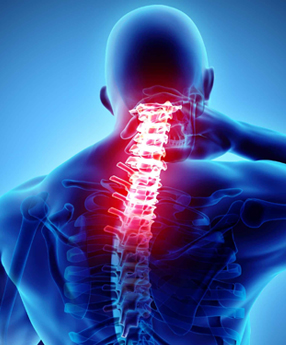
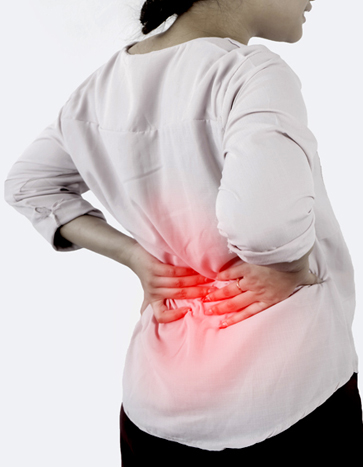
The most common use is for sudden, painful, and involuntary muscle contractions. These can happen due to: Strains and Sprains: Pulled muscles from heavy lifting or sports. Muscle Injuries: Tears or trauma to the muscle fibers.
The most common use is for sudden, painful, and involuntary muscle contractions. These can happen due to: Strains and Sprains: Pulled muscles from heavy lifting or sports. Muscle Injuries: Tears or trauma to the muscle fibers.
Aceclofenac: Inhibits the release of prostaglandins (chemicals responsible for pain and inflammation) in the body. Thiocolchicoside: Acts on the central nervous system (GABA receptor agonist) to relieve muscle stiffness and improve muscle movement.
While effective, this medication can cause side effects in some users: Common: Dizziness, drowsiness, nausea, diarrhea, and abdominal pain. Serious (Seek medical help): Stomach bleeding, skin rash, or allergic reactions.


It is generally recommended to take this tablet with food or milk to prevent stomach upset and acidity.
Most patients feel relief from pain and stiffness within 1 to 2 hours of consumption.
No. Alcohol can increase the risk of stomach bleeding and enhance the sedative effects of Thiocolchicoside.
No, it is generally not recommended for pregnant women as it may affect the fetus, especially in the third trimester.
No, as it may cause dizziness or drowsiness which can impair your ability to operate machinery safely.
No, this is a specialized muscle relaxant. For a standard headache, a simpler analgesic like Paracetamol is usually preferred.
Take it as soon as you remember. If it is almost time for the next dose, skip the missed one. Do not double the dose.
Long-term use of NSAIDs like Aceclofenac can affect kidney health. Consult a doctor if you have a history of renal issues.
No, this combination does not contain habit-forming or narcotic ingredients.
It should only be used for the shortest duration necessary, usually not exceeding 7 days, as advised by your doctor.