

Your health partner for life

Product Details

Know more about

Atorvastatin 40mg Tablets I.P.
Uses of Atorvastatin 40mg Tablets I.P.

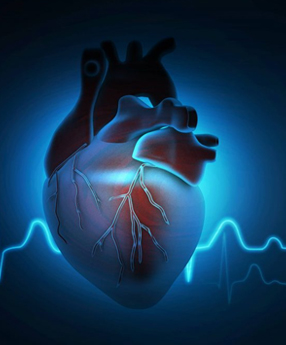
Atorvastatin is used to manage fats in the blood and protect the cardiovascular system: Lowering "Bad" Cholesterol: It significantly reduces Low-Density Lipoprotein (LDL) and total cholesterol. Lowering Triglycerides: It reduces another type of fat in the blood that contributes to heart disease. Raising "Good" Cholesterol: It helps increase High-Density Lipoprotein (HDL), which clears other forms of cholesterol from your bloodstream. Prevention: It is used to prevent Heart Attacks and Strokes in patients with high risk factors like diabetes, high blood pressure, or a history of heart disease.
How Atorvastatin 40mg Tablets I.P. Works

The liver is the primary factory for cholesterol in your body. Atorvastatin works by: Blocking the Enzyme: It inhibits an enzyme called HMG-CoA reductase. This enzyme is the "on switch" the liver needs to produce cholesterol. Increased Clearance: When the liver produces less cholesterol, it starts pulling more LDL (bad cholesterol) out of the blood to make up for the shortage, effectively "cleaning" your arteries.

Side Effects of Atorvastatin 40mg Tablets I.P.

Headache Muscle Pain: Unexplained weakness or tenderness (Myopathy). Cold-like symptoms (sore throat, runny nose) Liver Issues: Yellowing of eyes/skin or dark urine. Digestive issues (diarrhea, gas, or constipation) Severe Allergic Reaction: Swelling of the face or difficulty breathing. Joint or back pain Rhabdomyolysis: A rare condition where muscle tissue breaks down and damages the kidneys.

Cardio-diabetic/neuro (tablet)
icon icon
img

Frequently Asked Questions (FAQ)

Atorvastatin 40mg Tablets I.P.

Atorvastatin Tablets I.P. (Indian Pharmacopoeia) are primarily used to lower high cholesterol (LDL) and triglycerides in the blood. They are also prescribed to reduce the risk of heart attack, stroke, and other heart complications in patients with risk factors like diabetes or heart disease.

Atorvastatin belongs to a class of drugs called statins. It works by blocking an enzyme in the liver (HMG-CoA reductase) that is responsible for producing cholesterol, thereby lowering the total amount of cholesterol circulating in the bloodstream.

Atorvastatin can be taken at any time of day, with or without food, as long as it is taken at the same time consistently. Unlike older statins, Atorvastatin has a long half-life, meaning it remains effective regardless of whether it is taken in the morning or evening.

Grapefruit juice contains compounds that interfere with the enzymes that break down Atorvastatin. Drinking large amounts can cause the medication to build up to dangerous levels in your blood, increasing the risk of muscle damage and liver side effects.

Common side effects include joint pain, diarrhea, cold-like symptoms (sore throat/runny nose), and mild muscle aches. Most symptoms are manageable, but you should report persistent pain to your doctor.

Yes, in rare cases, Atorvastatin can cause serious muscle problems called myopathy or rhabdomyolysis. If you experience unexplained muscle weakness, tenderness, or pain?especially if accompanied by fever or dark-colored urine?contact your doctor immediately.

No, Atorvastatin is generally not recommended during pregnancy as cholesterol is essential for fetal development. If you are planning to become pregnant or find out you are pregnant, consult your doctor immediately to discuss alternative treatments.

Yes, Atorvastatin can interact with certain antibiotics, antifungal medications, HIV protease inhibitors, and other cholesterol-lowering drugs like gemfibrozil. Always share a full list of your current medications with your healthcare provider.

While the drug starts working within days, it usually takes 2 to 4 weeks of consistent use to see a significant drop in cholesterol levels during a blood test. Your doctor will likely check your lipid profile after 4-6 weeks.

Yes, Atorvastatin is most effective when used alongside a heart-healthy diet low in saturated fats and trans fats. Increasing fiber intake and maintaining regular physical exercise further helps in managing lipid levels.

WhatsApp us