

Your health partner for life

Product Details

Know more about

Diacerin 50mg & Aceclofenac 100mg Tablets
Uses of Diacerin 50mg & Aceclofenac 100mg Tablets

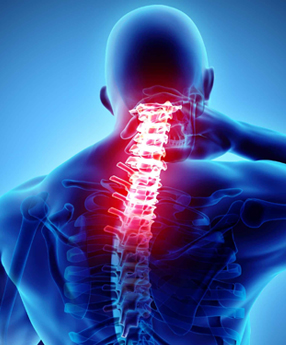
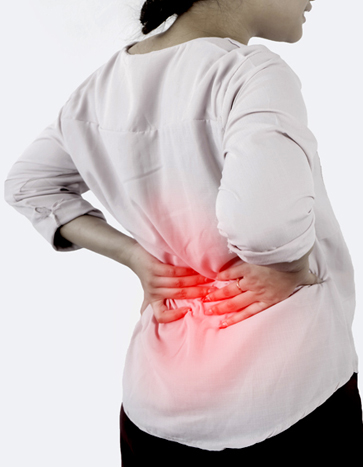
Osteoarthritis: Particularly of the knee and hip, where long-term management is required. Rheumatoid Arthritis: To reduce joint inflammation and associated pain. Ankylosing Spondylitis: Managing stiffness and pain in the spine. Chronic Joint Pain: For conditions involving both inflammation and wear-and-tear of cartilage.
How Diacerin 50mg & Aceclofenac 100mg Tablets Works

This tablet works through two distinct biological pathways: Aceclofenac (Immediate Relief): It blocks the COX (Cyclooxygenase) enzymes, which reduces the production of prostaglandins. Prostaglandins are the chemicals responsible for "signal" pain, swelling, and inflammation at the joint. Diacerein (Long-term Repair): Unlike typical painkillers, Diacerein is a "Slow-Acting Drug in Osteoarthritis" (SYSADOA). It inhibits Interleukin-1 (IL-1), a protein that triggers the destruction of cartilage. By blocking this, it helps slow down the progression of joint damage and promotes the synthesis of healthy joint components like collagen.

Side Effects of Diacerin 50mg & Aceclofenac 100mg Tablets

Gastrointestinal: Diarrhea is very common with Diacerein. Aceclofenac can cause stomach acidity, nausea, or indigestion. Urine Changes: Diacerein may cause the urine to turn a dark yellow or reddish-orange color (this is harmless). Dermatological: Skin rashes or itching. Long-term: Prolonged use of Aceclofenac may affect kidney function or lead to stomach ulcers.

Pain killer and others (tablet)
icon icon
img

Frequently Asked Questions (FAQ)

Diacerin 50mg & Aceclofenac 100mg Tablets
How long does it take for this medicine to start working?

Aceclofenac provides pain relief within 1-2 hours. However, the cartilage-protecting effects of Diacerein usually take 2 to 4 weeks of consistent use to become noticeable.

Why does my urine look reddish-orange?

This is a harmless side effect of Diacerein. It is not blood; it is simply the way the medicine is processed by your body.

Can I take this medicine on an empty stomach?

No. You should take it with or after food. This helps prevent stomach irritation from Aceclofenac and improves the absorption of Diacerein.

What should I do if I get severe diarrhea?

Diacerein commonly causes loose stools. If it becomes severe, consult your doctor; they may suggest a lower dose or a temporary pause in treatment.

Is it safe for patients with liver disease?

Diacerein and Aceclofenac should be used with extreme caution in patients with liver issues. Regular liver function tests are usually recommended.

Can I take this for a simple headache?

While it would work, it is not recommended. This combination is specifically formulated for chronic joint and bone conditions, not for general occasional pain.

Does this medicine interact with blood thinners?

Yes. Aceclofenac can increase the risk of bleeding if taken with medications like Warfarin or Aspirin. Always inform your doctor of your full medication list.

Can I drink alcohol while on this medication?

It is best to avoid it. Alcohol increases the risk of stomach bleeding and can put additional strain on your liver and kidneys.

Is it safe for long-term use?

Diacerein is meant for long-term joint health, but Aceclofenac should be used for the shortest time possible. Your doctor will determine the safest duration for you.

Should I avoid any specific foods?

There are no specific food restrictions, but drinking plenty of water is advised to help your kidneys process the medication and to stay hydrated if you experience loose stools.

WhatsApp us