
Used to treat acute, painful muscle spasms associated with conditions like lower back pain, neck pain (torticollis), sciatica, or post-operative muscle stiffness.
Used to treat acute, painful muscle spasms associated with conditions like lower back pain, neck pain (torticollis), sciatica, or post-operative muscle stiffness.
Diclofenac works by blocking the enzyme cyclooxygenase (COX), which reduces the production of prostaglandins?the chemicals that cause pain and inflammation. Thiocolchicoside acts on the central nervous system. It works as a competitive GABA receptor antagonist and glycine receptor agonist, which helps "relax" the muscles and improve range of motion.
Common: Nausea, dizziness, stomach upset, or heartburn. Occasional: Diarrhea, skin rash, or drowsiness. Serious: Stomach ulcers (if used long-term), liver or kidney issues, or allergic reactions.
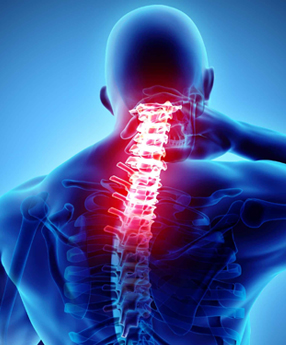
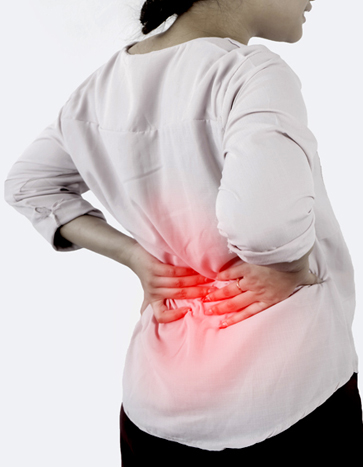


Diclofenac reduces the inflammation causing the pain, while Thiocolchicoside relaxes the muscle spasms triggered by that pain, providing a dual-action recovery.
No, it is highly recommended to take this tablet after a meal to reduce the risk of stomach irritation and acidity caused by Diclofenac.
Yes, Thiocolchicoside can cause mild drowsiness or dizziness. Avoid driving or operating heavy machinery until you know how it affects you.
Generally, no. It is intended for short-term relief (usually 5-7 days). Long-term use of NSAIDs like Diclofenac can increase risks to the heart, kidneys, and stomach.
You should be cautious. Some people with asthma are sensitive to NSAIDs, which can trigger an asthma attack. Consult your doctor first.
Pregnant women, breastfeeding mothers, people with active stomach ulcers, or those with severe heart, liver, or kidney disease should avoid this combination.
The dosage is typically one tablet twice a day (morning and night), but always follow the specific instructions on your prescription.
It is best to avoid alcohol as it can increase the risk of stomach bleeding and enhance the sedative effects (drowsiness) of the muscle relaxant.
Thiocolchicoside is not recommended for men or women planning a pregnancy as it may affect fertility and has potential cell-damaging (aneugenic) properties.
Stop taking the medication immediately and contact your doctor, as this could be a sign of an allergic reaction.