

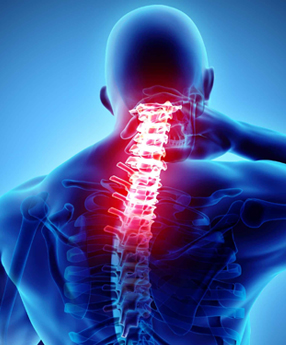
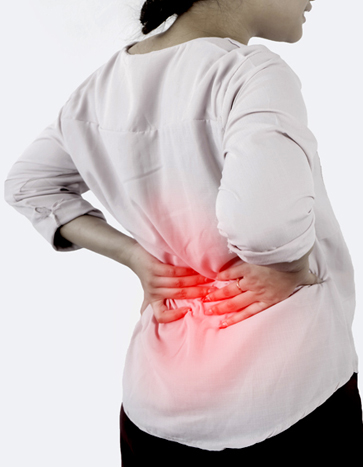
Acute low back pain. Post-operative muscle spasms. Neck pain and sciatica. Ankylosing spondylitis or osteoarthritis with associated muscle stiffness.
Acute low back pain. Post-operative muscle spasms. Neck pain and sciatica. Ankylosing spondylitis or osteoarthritis with associated muscle stiffness.
Etoricoxib specifically targets and blocks the COX-2 enzyme, which is responsible for the production of prostaglandins at the site of injury or inflammation. Because it is "selective," it is generally gentler on the stomach lining than older NSAIDs like Aspirin. Thiocolchicoside acts on the central nervous system to reduce muscle tone and "unlock" muscle contractions without reducing overall muscle strength.
Common: Swelling of the feet/legs (fluid retention), dizziness, headache, or palpitations. Gastrointestinal: Heartburn, acidity, or diarrhea. Serious: High blood pressure, liver enzyme fluctuations, or severe skin allergies.


Etoricoxib is a 'selective' COX-2 inhibitor. It is designed to target inflammation specifically with a lower risk of causing stomach ulcers compared to non-selective NSAIDs like Diclofenac.
You should be very cautious. Etoricoxib can increase blood pressure in some patients. It is important to monitor your BP while on this medication.
Yes, taking it with or after a meal is recommended to minimize any potential stomach upset or acidity.
Thiocolchicoside can cause mild drowsiness or lightheadedness in some individuals. Avoid driving until you know how you react to it.
Etoricoxib is generally avoided or used with extreme caution in patients with heart disease, history of stroke, or peripheral arterial disease.
It is typically prescribed for short-term use (usually not exceeding 7 days) to manage acute pain episodes.
While Etoricoxib can reduce fever, this specific combination is meant for musculoskeletal pain and should not be used as a primary fever reducer.
Avoid alcohol, as it can increase the risk of stomach bleeding and enhance the sedative effects of the muscle relaxant.
No, this combination is generally not recommended for children or adolescents under the age of 16.
In some studies, it has been shown that a breakdown product of thiocolchicoside can cause damage to dividing cells, so it is strictly forbidden during pregnancy or for those planning a family.