

Your health partner for life

Product Details

Know more about

Etoricoxib and Paracetamol Tablets
Uses of Etoricoxib and Paracetamol Tablets

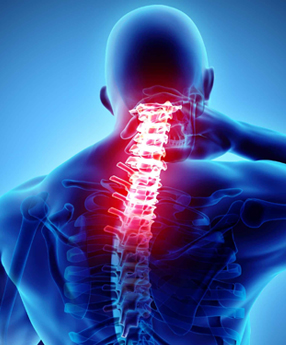
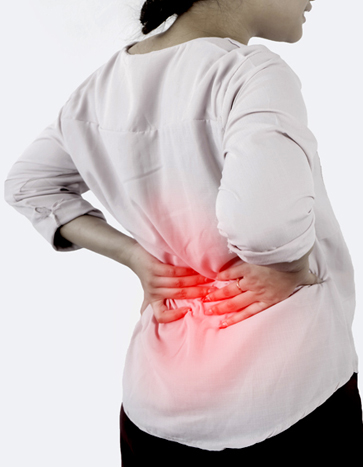
This combination is typically prescribed when single-ingredient painkillers aren't enough: Severe Body Pain: Relief from intense musculoskeletal pain. Osteoarthritis & Rheumatoid Arthritis: Reducing joint pain, swelling, and stiffness. Ankylosing Spondylitis: Managing chronic spinal pain. Post-Operative Pain: Managing pain after orthopedic or dental surgeries. Acute Gout: Fast-acting relief for sudden, painful gout attacks.
How Etoricoxib and Paracetamol Tablets Works

The two ingredients work in tandem to create a "synergistic effect," meaning they work better together than they do alone. Etoricoxib (The Anti-Inflammatory): It specifically targets the COX-2 enzyme at the site of injury. By blocking this enzyme, it stops the production of prostaglandins that cause swelling and redness. Because it is "selective," it is generally gentler on the stomach than older painkillers. Paracetamol (The Pain-Signal Blocker): It primarily works on the Central Nervous System (CNS). It raises the body?s overall "pain threshold," making you feel less pain, and acts on the brain's heat-regulating center to lower fever.

Side Effects of Etoricoxib and Paracetamol Tablets

Nausea or Heartburn Liver Stress: Due to high-dose Paracetamol. Dizziness or Headache Hypertension: Sudden rise in blood pressure. Diarrhea Edema: Swelling of feet or ankles. Tiredness Skin Rash: Any sign of an allergic reaction.

Pain killer and others (tablet)
icon icon
img

Frequently Asked Questions (FAQ)

Etoricoxib and Paracetamol Tablets
What is the use of Etoricoxib and Paracetamol tablets?

This combination is used for the rapid relief of moderate to severe pain and inflammation. It is commonly prescribed for joint pain, rheumatoid arthritis, osteoarthritis, dental pain, and muscle aches.

How does the combination of Etoricoxib and Paracetamol work?

Etoricoxib is a selective COX-2 inhibitor that reduces inflammation at the site of injury, while Paracetamol acts on the central nervous system to increase the pain threshold and reduce fever, providing a dual-action relief.

Is it safe to take other cold or flu medicines with this tablet?

No, you must check the labels of other medicines. Many cold and flu remedies already contain Paracetamol. Taking them together can lead to a dangerous overdose that may cause severe liver damage.

Can I take Etoricoxib and Paracetamol on an empty stomach?

It is highly recommended to take this medication after a meal. While Etoricoxib is gentler on the stomach than older painkillers, taking it with food helps prevent acidity and gastric irritation.

Does this combination cause sleepiness?

Generally, this combination does not cause drowsiness. However, some individuals may experience dizziness as a side effect. It is best to see how you react to the medicine before driving or operating machinery.

What should I do if I miss a dose?

Take the missed dose as soon as you remember. If it is almost time for your next dose, skip the missed one. Do not double the dose to make up for a forgotten tablet, as this increases the risk of side effects.

Can heart patients take Etoricoxib and Paracetamol?

Patients with a history of heart disease, stroke, or high blood pressure should use this with caution. Etoricoxib can cause fluid retention and increase blood pressure, so a doctor's consultation is mandatory.

What are the common side effects of this medication?

Common side effects include nausea, stomach pain, headache, dizziness, and swelling of the feet (edema). If you notice dark urine or yellowing of the eyes, contact your doctor immediately.

How long can I continue taking these tablets?

This combination is usually intended for short-term pain management (typically 5-7 days). Long-term use can affect kidney and liver function and should only be done under strict medical supervision.

Can I drink alcohol while taking Etoricoxib and Paracetamol?

It is best to avoid alcohol. Both alcohol and Paracetamol are processed by the liver, and combining them significantly increases the risk of liver toxicity and stomach irritation.

WhatsApp us