

Your health partner for life

Product Details

Know more about

Mefenamic Acid 500mg and Paracetamol 325mg Tablets
Uses of Mefenamic Acid 500mg and Paracetamol 325mg Tablets

Menstrual Pain (Dysmenorrhea): One of the most common uses due to its effect on uterine contractions. Mild to Moderate Pain: Muscle aches, toothaches, and joint pain. Fever: Effective in reducing high body temperature in both adults and children. Post-operative Pain: Short-term relief following minor surgeries.

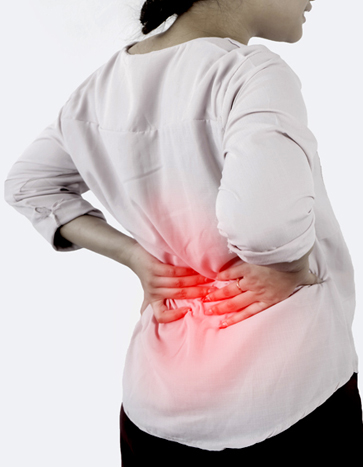
How Mefenamic Acid 500mg and Paracetamol 325mg Tablets Works

Mefenamic Acid works by blocking the COX-1 and COX-2 enzymes, which stops the production of prostaglandins. Prostaglandins are the primary chemicals that cause inflammation and trigger uterine contractions during periods. Paracetamol primarily acts on the central nervous system. It raises the body's overall pain threshold and acts on the heat-regulating center in the brain (the hypothalamus) to reduce fever.

Side Effects of Mefenamic Acid 500mg and Paracetamol 325mg Tablets

Common: Nausea, stomach pain, or heartburn. Gastrointestinal: Diarrhea (specifically associated with Mefenamic Acid) or indigestion. Rare: Skin rash, dizziness, or elevated liver enzymes (if taken in high doses).

Pain killer and others (tablet)
icon icon
img

Frequently Asked Questions (FAQ)

Mefenamic Acid 500mg and Paracetamol 325mg Tablets
Why is this combination preferred for period pain?

Mefenamic Acid specifically targets the prostaglandins that cause uterine contractions, while Paracetamol helps raise the overall pain threshold, making the combination very effective for cramps.

Can I take this on an empty stomach?

No. To avoid stomach irritation, acidity, or ulcers, always take this tablet with food or a glass of milk.

What should I do if I get diarrhea?

Diarrhea is a known side effect of Mefenamic Acid. If it occurs, stop the medication and consult your doctor; do not take an anti-diarrheal medicine without advice.

Is it safe for patients with asthma?

Use with caution. Some asthmatics are sensitive to NSAIDs like Mefenamic Acid, which can trigger breathing difficulties (bronchospasms).

Can I take this medicine if I have a history of stomach ulcers?

Generally, no. Mefenamic Acid can irritate the stomach lining and worsen ulcers. Consult your doctor for a stomach-friendly alternative like plain Paracetamol.

How many times a day can I take this?

The typical dose is one tablet three times a day, but this depends on the strength (e.g., 250mg/500mg). Never exceed the dose prescribed by your doctor.

Does it interact with blood thinners?

Yes. Mefenamic Acid can increase the risk of bleeding if taken with anticoagulants like Warfarin or Aspirin.

Can I drink alcohol while taking this?

It is best to avoid alcohol as it increases the risk of stomach bleeding and puts additional strain on the liver, which is processing the Paracetamol.

Is it safe during pregnancy?

Mefenamic Acid should be avoided, especially in the third trimester, as it can affect the baby's heart and kidneys. Always consult your doctor.

Can I take this for more than 7 days?

No. This combination is intended for short-term relief (usually 3-5 days). Long-term use can lead to kidney or liver complications.

WhatsApp us