
Your health partner for life

Product Details

Know more about

Metformin Hydrochloride 1000mg Prolonged release and Glimepiride 1mg , 2mg Tablets IP
Uses of Metformin Hydrochloride 1000mg Prolonged release and Glimepiride 1mg , 2mg Tablets IP

Type 2 Diabetes Mellitus: Specifically for patients whose blood sugar levels are not adequately controlled by diet, exercise, or a single medication (monotherapy). Prevention of Complications: Long-term control helps reduce the risk of kidney damage, blindness, nerve problems, and loss of limbs.

How Metformin Hydrochloride 1000mg Prolonged release and Glimepiride 1mg , 2mg Tablets IP Works

This tablet uses a "double-action" approach to lower blood glucose: Metformin (Prolonged Release): It works primarily in the liver. It decreases the amount of glucose your liver produces and improves your body's sensitivity to insulin. The "Prolonged Release" (PR) mechanism ensures the drug is released slowly, providing stable control and reducing stomach-related side effects. Glimepiride: It works in the pancreas. It stimulates the "Beta cells" in your pancreas to release more insulin into the bloodstream. Insulin is the hormone that moves sugar from the blood into the cells to be used for energy.

Side Effects of Metformin Hydrochloride 1000mg Prolonged release and Glimepiride 1mg , 2mg Tablets IP

Nausea or Diarrhea Hypoglycemia (Low Blood Sugar): Trembling, sweating, or hunger. Metallic taste in the mouth Weight gain (associated with Glimepiride) Abdominal pain or gas Vitamin B12 deficiency (with long-term Metformin use) Headache Dizziness

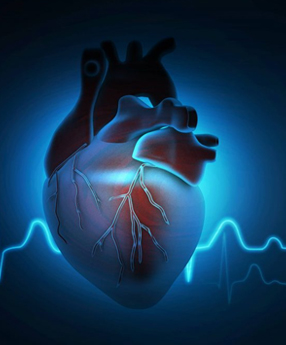
Cardio-diabetic/neuro (tablet)
icon icon
img

Frequently Asked Questions (FAQ)

Metformin Hydrochloride 1000mg Prolonged release and Glimepiride 1mg , 2mg Tablets IP
What is the best time to take this medication?

It is usually taken once daily with breakfast or the first main meal of the day. Taking it with food reduces the risk of stomach upset and prevents a sudden drop in blood sugar.

What should I do if I feel shaky, sweaty, or hungry?

These are signs of low blood sugar (hypoglycemia). Immediately consume a fast-acting sugar source like fruit juice, glucose tablets, or a spoonful of sugar, then follow up with a snack.

Can I drink alcohol while taking this medicine?

It is highly recommended to avoid alcohol. Alcohol can increase the risk of 'Lactic Acidosis' (a rare but serious Metformin side effect) and can also lead to dangerously low blood sugar levels.

Why is the tablet 'Prolonged Release'?

The PR form allows the Metformin to dissolve slowly in your gut. This provides 24-hour blood sugar coverage and significantly reduces the diarrhea and cramping common with regular Metformin.

Can I stop taking this if my sugar levels become normal?

No. Diabetes is a chronic condition. Normal readings mean the medicine is working. Stopping it abruptly can lead to a dangerous spike in blood sugar (hyperglycemia).

Will this medication help me lose weight?

Metformin is often weight-neutral or may cause slight weight loss. However, Glimepiride can sometimes cause mild weight gain. Overall, its effect on weight varies by individual.

Does it affect my kidneys?

While it protects kidneys from diabetes damage, Metformin is processed by the kidneys. Your doctor will monitor your kidney function (creatinine levels) regularly while you are on this drug.

What if I miss a dose?

Take it as soon as you remember with food. If it is almost time for your next dose, skip the missed one. Never double the dose, as this could cause severe hypoglycemia.

Can I crush or chew the tablet?

No. Prolonged-release tablets must be swallowed whole. Breaking or crushing the tablet will release all the medication at once, increasing side effects and reducing its long-term effectiveness.

Does it interact with other medications?

Yes, drugs like painkillers (NSAIDs), certain blood pressure meds (diuretics), and steroids can affect how this medicine works. Always inform your doctor of all medicines you are taking.

WhatsApp us