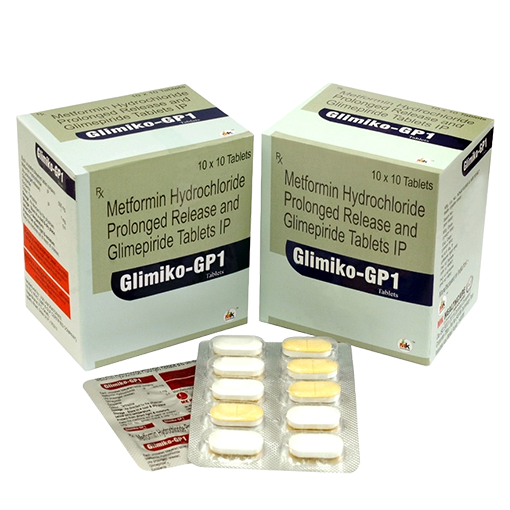
GLIMIKO-GP1: Foundational Dual-Action Therapy for Type 2 Diabetes
GLIMIKO-GP1 is a crucial oral anti-diabetic combination medication indicated for the management of Type 2 Diabetes Mellitus in adults. It is specifically formulated for patients whose blood sugar levels are inadequately controlled by diet, exercise, and single-agent therapy alone, particularly when a lower dose of the sulfonylurea component is appropriate. By combining two well-established antihyperglycemic drugs, Glimepiride and Metformin Hydrochloride (Sustained Release), GLIMIKO-GP1 offers a synergistic mechanism to achieve and maintain optimal glycaemic control, which is fundamental to preventing long-term diabetic complications.
The effectiveness of GLIMIKO-GP1 is rooted in the complementary actions of its two components. Glimepiride is a sulfonylurea that acts on the pancreatic beta cells, prompting them to increase the secretion of insulin. This action ensures that more insulin is available to help shuttle glucose out of the bloodstream. Simultaneously, Metformin Hydrochloride (in a convenient Sustained Release or SR form) works by addressing the core issue of insulin resistance. Metformin primarily functions by reducing glucose production by the liver and enhancing the sensitivity of muscle and fat cells to the effects of insulin.
This strategic dual approach provides a significant therapeutic advantage. While Glimepiride ensures an adequate insulin supply, Metformin ensures that the body uses the existing insulin more effectively and suppresses excessive glucose release from the liver. This results in a potent and sustained blood sugar-lowering effect, crucial for controlling both fasting plasma glucose (FPG) and post-prandial glucose (PPG) levels. The sustained-release formulation of Metformin further contributes to stable glucose management throughout the day and night.
As a prescription medication, GLIMIKO-GP1 is a vital tool for preventing the progression of diabetes-related pathologies, such as cardiovascular disease, neuropathy, and retinopathy. It must be taken regularly, usually with meals, to minimize potential gastrointestinal side effects and maximize efficacy. Patients must understand that this medication is part of a broader treatment plan that critically includes a balanced, controlled diet and consistent physical activity. Consulting with a healthcare provider is essential to determine the correct dosage and to monitor for potential side effects, including hypoglycemia.