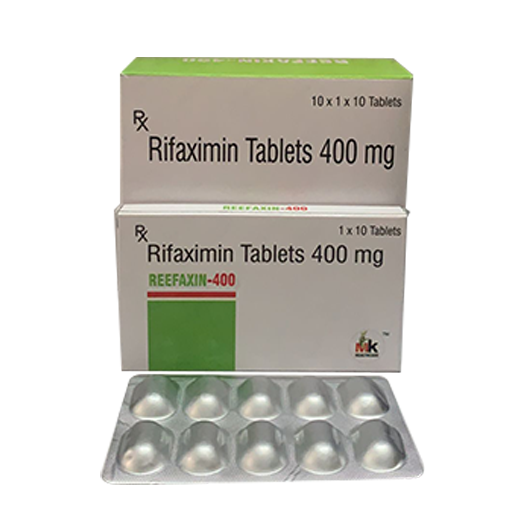
REEFAXIN 400 is a highly specialized, non-systemic antibiotic containing Rifaximin 400 mg. Unlike traditional antibiotics that are absorbed throughout the body, Rifaximin is unique because it acts almost exclusively within the gastrointestinal tract. This targeted action makes REEFAXIN 400 exceptionally effective for treating conditions caused by bacterial overgrowth or pathogens confined to the gut. It is widely prescribed for managing infectious diarrhea (such as Traveller's Diarrhea caused by E. coli) and is a critical component in the treatment of more complex chronic digestive and liver-related disorders.
Localized Action for Minimal Systemic Impact
The core strength of REEFAXIN 400 lies in its gut-selective mechanism. Rifaximin works by inhibiting bacterial RNA synthesis, effectively killing and stopping the growth of harmful bacteria in the intestines. Crucially, less than 1% of the drug is absorbed into the bloodstream. This minimal systemic absorption allows it to concentrate its antibacterial power exactly where it's needed?in the gut?while significantly reducing the risk of widespread side effects often associated with systemic antibiotics. This localized action is key to treating conditions where bacterial imbalance or overgrowth in the digestive tract is the primary cause of symptoms.
Dual Role in Gastrointestinal and Hepatic Management
REEFAXIN 400 has a dual, highly important therapeutic role. In the gastrointestinal tract, it is used to manage Irritable Bowel Syndrome with Diarrhea (IBS-D) by resetting the gut microbiota and reducing abdominal pain and bloating. Additionally, it is vital in the management of Hepatic Encephalopathy (HE), a serious complication of severe liver disease. By reducing the number of ammonia-producing bacteria in the gut, REEFAXIN 400 lowers harmful ammonia levels in the blood, helping to prevent the recurrence of overt HE symptoms like confusion and cognitive decline.
Commitment to Quality for Digestive Health
As a high-quality product from MK Healthcare, an ISO-GMP certified pharmaceutical company, REEFAXIN 400 ensures reliable dosing and efficacy for these sensitive gastrointestinal and liver-related conditions. Given its specific applications, patients must use this medication exactly as prescribed by their healthcare provider and for the full duration of treatment to ensure successful bacterial clearance and prevent recurrence. If you require targeted antibiotic therapy for gut infections, IBS-D, or hepatic encephalopathy management, consult your doctor about the benefits of REEFAXIN 400 for optimal digestive and cognitive support.
What is REEFAXIN-400 Tablet used for?
REEFAXIN-400 (Rifaximin 400 mg) is a specialized antibiotic primarily used to treat a variety of gastrointestinal and liver-related conditions. Key uses include the management of Infectious Diarrhea (such as Traveler's Diarrhea caused by E. coli), Irritable Bowel Syndrome with Diarrhea (IBS-D), and reducing the risk of recurrence of Hepatic Encephalopathy (HE) in adults with liver disease.
How does REEFAXIN-400 work differently from other antibiotics?
REEFAXIN-400 is a non-systemic antibiotic. This means that unlike most antibiotics that are absorbed into the bloodstream and affect the entire body, Rifaximin is minimally absorbed (less than 1%). It acts almost exclusively within the gastrointestinal tract, targeting and killing harmful bacteria directly in the gut with minimal systemic side effects.
Does REEFAXIN-400 treat diarrhea with fever or blood in the stool?
No. REEFAXIN-400 is generally not indicated for diarrhea that is complicated by fever or the presence of blood in the stool. These symptoms often indicate a more invasive bacterial infection, which may require a different type of antibiotic. Always consult your doctor if you experience these severe symptoms.
How does REEFAXIN-400 help patients with liver disease (Hepatic Encephalopathy)?
In patients with severe liver disease, the liver cannot properly filter toxins, like ammonia, which are produced by gut bacteria. REEFAXIN-400 works by significantly reducing the number of ammonia-producing bacteria in the gut, thereby lowering ammonia levels in the blood and helping to prevent or manage the symptoms of Hepatic Encephalopathy (HE).
Is Rifaximin used for Small Intestinal Bacterial Overgrowth (SIBO)?
While not always listed as a primary approved indication across all regions, Rifaximin is widely used by specialists (often off-label) as a targeted treatment for Small Intestinal Bacterial Overgrowth (SIBO). Its localized action in the small intestine makes it highly effective for resetting the gut microbiota and relieving symptoms like bloating and gas associated with SIBO.
Can I stop taking REEFAXIN-400 once my symptoms improve?
No. You must complete the full course of REEFAXIN-400 as prescribed by your doctor, even if you start to feel better quickly. Stopping the antibiotic prematurely can lead to treatment failure, the re-emergence of the infection, or the development of antibiotic-resistant bacteria.
Should I take REEFAXIN-400 with food?
REEFAXIN-400 (Rifaximin) can be taken with or without food. Consistency is key, so it is best to take it at the same time(s) each day to ensure optimal adherence to your prescribed regimen.
What are the common side effects of Rifaximin 400 mg?
Due to its minimal systemic absorption, Rifaximin generally has a good safety profile. Common side effects may include abdominal pain, nausea, headache, flatulence (gas), and dizziness. These are usually mild and temporary.
Can REEFAXIN-400 cause Clostridium difficile infection (CDI) like other antibiotics?
While all antibiotics carry a risk of C. difficile-associated diarrhea (CDAD) by disrupting the normal gut flora, the risk with Rifaximin is generally considered lower than with systemic antibiotics due to its localized action. If you experience severe, watery, or bloody diarrhea during or after treatment, contact your doctor immediately.
Is REEFAXIN-400 safe for patients with severe liver disease?
Rifaximin is a critical treatment for Hepatic Encephalopathy (HE), a complication of liver disease. Because of its minimal absorption, it is generally considered safer for patients with severe liver impairment than systemic antibiotics. However, use in severe liver impairment should still be monitored by a doctor.