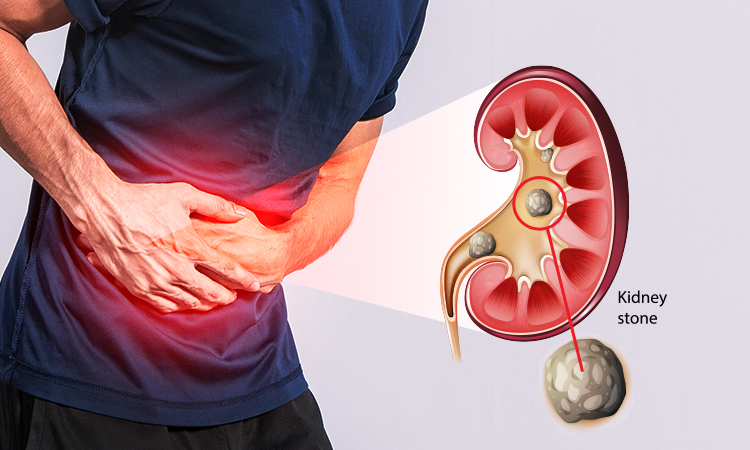
Kidney stones, medically known as nephrolithiasis or urolithiasis, are a surprisingly common health issue. If you've ever experienced one, you know the pain can be excruciating. But what exactly are they, and more importantly, how are they treated and prevented?
Kidney stones are hard deposits made of minerals and salts that form inside your kidneys. Your kidneys filter waste products from your blood and produce urine. When there is too much of a certain substance (like calcium, oxalate, or uric acid) in your urine, it can crystallize and clump together, forming a stone.
These stones can vary greatly in size—from as small as a grain of sand to as large as a golf ball. Small stones may pass unnoticed, but larger stones can get stuck in the urinary tract, causing a blockage and intense pain.
The composition of the stone is key to determining its cause and treatment. The four main types include:
The most common type, usually in the form of calcium oxalate.
Form in response to a urinary tract infection (UTI).
Often associated with high-protein diets, gout, or chronic diarrhea.
The rarest type, linked to a hereditary disorder called cystinuria.
The presence of a stone may not cause symptoms until it moves into the narrow ureter—the tube connecting the kidney and bladder. When this happens, common symptoms include:

Treatment for kidney stones depends on the size and type of stone, and whether it is causing a blockage or infection.
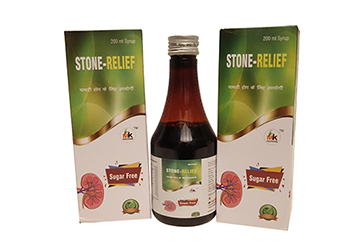
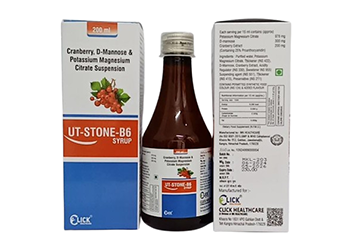
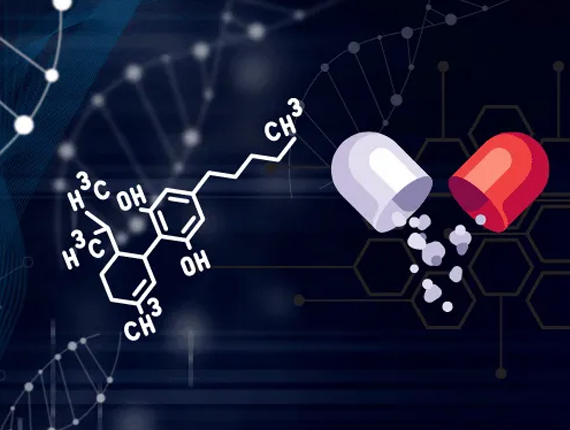
Over-the-counter or prescription pain relievers, often NSAIDs,are used to manage the severe pain (renal colic).Some composistions are used to pain relievers OCT and Prescription are as:Stone-Relife and Ut-Stone-B6.
The good news is that for many people, kidney stones are preventable through simple lifestyle and dietary changes:
This is the single most important prevention measure. Diluting your urine prevents minerals from becoming concentrated enough to form stones. Aim to drink enough water to produce at least 2 to $2.5$ liters of clear or light-yellow urine daily.
A high-sodium diet can increase the amount of calcium your kidneys must filter, raising your risk of calcium stones. Try to limit processed foods.
High intake of animal protein (like red meat and poultry) can increase uric acid levels and decrease the amount of a stone-preventing chemical (citrate) in your urine.
If you are prone to calcium oxalate stones, your doctor may suggest reducing high-oxalate foods like spinach, nuts, beets, and chocolate, but it’s crucial to pair them with calcium-rich foods (like cheese or milk) at the same time to allow them to bind in the stomach instead of the kidney.
Kidney stones are certainly a painful and disruptive experience, but they are not an unavoidable fate. Treatment ranges from managing the pain while a stone passes naturally to targeted medications and, in some cases, surgery. By working with your healthcare provider to identify your stone type and adopting a proactive approach to hydration, diet, and prescribed medication, you can significantly reduce your risk of stone formation and recurrence.
Content in this blog has taken from various offline and online sources and for information purpose only, so please consult your doctor before taking any medicine and its adivse to avoid self medication.

A newcomer to the world of Pharma Manufacturing, focused on mastering GMP standards and contributing to quality through meticulous execution.




Name
DateComment