Joint pain is a common and often debilitating condition that can significantly impact a person's quality of life. Whether it's a nagging ache or a sharp, intense pain, the discomfort can limit mobility and make everyday tasks a challenge. Understanding the root causes of joint pain and exploring the various treatment options is the first step toward finding lasting relief.
The Root Causes of Joint Pain
Joint pain is a symptom, not a disease itself. Its origins can be simple or complex, and identifying the cause is crucial for effective treatment. Here are some of the most common culprits:
Arthritis: This is the most prevalent cause of chronic joint pain.
Osteoarthritis (OA): Often called "wear-and-tear" arthritis, OA occurs when the cartilage that cushions the ends of your bones wears down over time. This leads to bone-on-bone friction, causing pain, stiffness, and swelling. It commonly affects the knees, hips, hands, and spine.
Rheumatoid Arthritis (RA): An autoimmune disease where the body's immune system mistakenly attacks the lining of its own joints. This causes inflammation, swelling, and can lead to joint deformity over time.
Gout: A painful form of inflammatory arthritis caused by a buildup of uric acid crystals in a joint, most often the big toe.
Injury: Trauma is a frequent cause of joint pain. A sudden injury like a sprain, strain, fracture, or dislocation can lead to acute pain. Repetitive motions and overuse can also cause chronic pain in a joint.
Bursitis: This condition is the inflammation of the bursae, which are small, fluid-filled sacs that act as cushions between bones, tendons, and muscles around your joints. It is often caused by repetitive motion or direct pressure on a joint.
Tendinitis: The inflammation of tendons, the thick fibrous cords that connect muscle to bone. This is another common overuse injury, affecting joints like the elbow, shoulder, or knee.
Fibromyalgia: This chronic disorder is characterized by widespread pain, including in the joints and muscles, along with fatigue and sleep disturbances. The pain is believed to be related to how the brain processes pain signals.
Finding Relief: Cures and Treatments
While there may not be a single "cure" for all types of joint pain, especially for chronic conditions like arthritis, there are many effective ways to manage symptoms and improve function. A multi-faceted approach often yields the best results.
Medical Interventions:
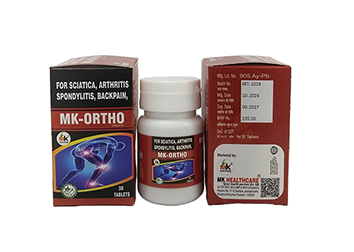
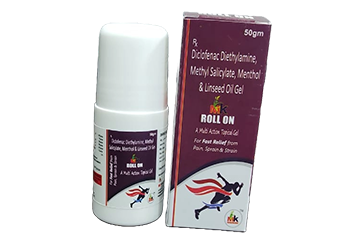
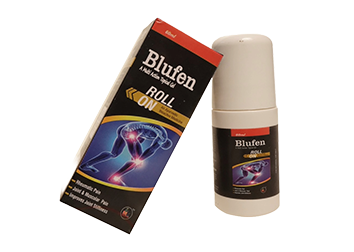
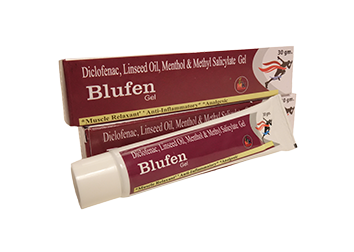
Medication: Over-the-counter medicine like BLUFEN-GEL, Mk-Ortho, MK Roll On and Blufen Roll On can help reduce both pain and inflammation. For more severe pain or specific types of arthritis, a doctor may prescribe stronger medications, corticosteroids, or other disease-modifying drugs.
Physical Therapy: A physical therapist can design a personalized exercise program to strengthen the muscles that support the joint, improve flexibility, and increase the range of motion. This can help stabilize the joint and reduce pain.
Injections:Corticosteroid injections can provide powerful, temporary relief from inflammation. In some cases, injections of hyaluronic acid can help lubricate the joint.
Surgery: When joint damage is severe and other treatments have failed, surgical options like joint replacement (e.g., knee or hip replacement) can be a permanent solution to relieve pain and restore function.
Lifestyle and Natural Remedies:
Weight Management: Carrying excess weight puts immense pressure on weight-bearing joints like the knees and hips. Losing even a small amount of weight can significantly reduce pain and slow the progression of conditions like osteoarthritis.
Low-Impact Exercise: Regular physical activity is vital for joint health. Low-impact exercises like swimming, cycling, yoga, and walking keep joints mobile, strengthen supporting muscles, and help with weight control without putting undue stress on the joints.
Hot and Cold Therapy: Applying a heating pad or taking a warm bath can help relax stiff muscles and soothe chronic aches. An ice pack can reduce swelling and numb acute pain after an injury or flare-up.
Anti-Inflammatory Diet: : A diet rich in fruits, vegetables, whole grains, and healthy fats (like those found in fish, nuts, and olive oil) can help reduce inflammation throughout the body. Certain spices, like turmeric and ginger, also have natural anti-inflammatory properties.
Acupuncture and Massage: : Some people find that alternative therapies like acupuncture or professional massage therapy can help relieve pain, reduce stiffness, and improve overall well-being.
Conclusion
Joint pain is a complex issue, but it is not a life sentence. By accurately identifying the cause and adopting a comprehensive treatment plan that may include medical treatments, lifestyle adjustments, and natural remedies, you can effectively manage your symptoms. The key is to be proactive: listen to your body, consult with healthcare professionals, and take consistent steps toward improving your joint health. With the right approach, you can reduce your pain, regain your mobility, and get back to enjoying a full and active life.
Disclamer
Content in this blog has taken from various offline and online sources and for information purpose only, so please consult your doctor before taking any medicine and its adivse to avoid self medication.
Ms. Shivani
A newcomer to the world of Pharma Manufacturing, focused on mastering GMP standards and contributing to quality through meticulous execution.








Name
DateComment