The liver is one of your body’s most crucial and hardworking organs, responsible for everything from filtering toxins and aiding digestion to regulating blood sugar. When this powerhouse is in trouble, it often sends out a complex set of distress signals that should never be ignored.
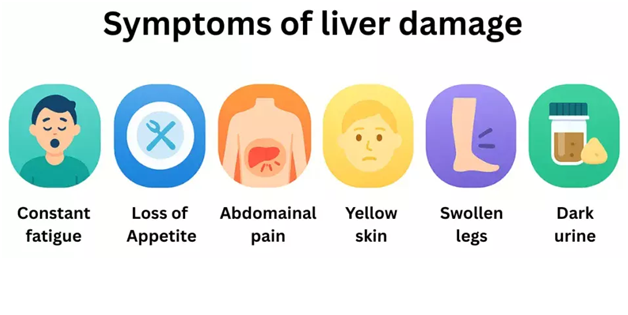
If you or someone you know is experiencing a combination of loss of appetite, jaundice (yellowing of the skin), abdominal pain, and swelling, it may point to a significant liver problem. Understanding these symptoms is the first step toward seeking timely and potentially life-saving medical help.
These four symptoms, when appearing together, paint a concerning picture of liver dysfunction
When the liver is inflamed or damaged, its ability to produce bile and process nutrients slows down. This often leads to a general feeling of nausea, indigestion, and a profound loss of appetite. Food may simply not appeal, or the thought of eating can cause discomfort. Over time, this can lead to unintentional weight loss and nutritional deficiencies
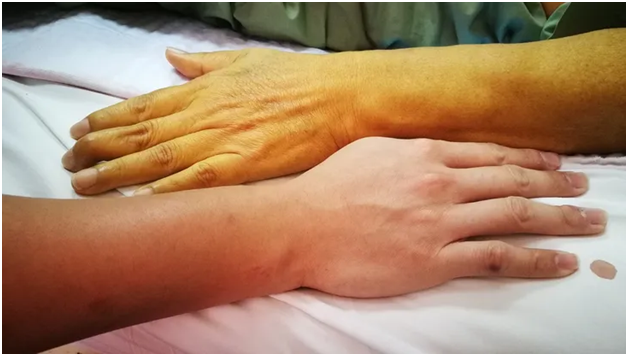
Jaundice is arguably the most recognizable sign of a liver issue. It occurs when bilirubin—a yellow pigment that’s a normal waste product of red blood cell breakdown—builds up in the bloodstream. A healthy liver typically filters bilirubin out, but a damaged liver cannot. As a result, the pigment is deposited in the skin and the whites of the eyes, turning them yellow. Jaundice is a clear indicator that the liver is not functioning properly.
Pain associated with liver problems is often described as a dull, throbbing, or aching sensation located in the upper right quadrant of the abdomen, just under the ribcage. This area is where the liver is located. The pain can be caused by the liver itself being inflamed or enlarged (a condition called hepatomegaly), which stretches the capsule surrounding the organ and triggers pain receptors.
The development of severe abdominal swelling, medically known as ascites, is a serious symptom. It occurs when fluid, typically water and salts, accumulates in the abdominal cavity. This is often due to portal hypertension (high blood pressure in the vein that leads into the liver) and the liver’s inability to produce enough proteins (like albumin) to keep fluid within the blood vessels. Ascites causes a visibly distended abdomen and can lead to discomfort, difficulty breathing, and a feeling of fullness.
This combination of symptoms is most often associated with conditions that have progressed to a significant stage, including:
The leading causes of chronic liver disease are non-alcoholic fatty liver disease (NAFLD, now called MASLD) and alcohol-related liver disease.
The liver processes nearly everything you ingest, and two key areas require vigilance:
Infections and environmental factors can also stress the liver:
Since early liver disease often presents with no symptoms, regular screenings are vital.
The constellation of symptoms—loss of appetite, jaundice, abdominal pain, and swelling—should never be dismissed as minor or temporary discomfort. They are significant warning signs that your liver, the body's essential filtration and metabolism powerhouse, may be in serious distress.
If you or someone you know is experiencing this combination of symptoms, it is crucial to seek immediate medical attention. Early diagnosis and intervention for liver problems dramatically improve the chances of a positive outcome. Taking proactive steps towards a liver-healthy lifestyle—maintaining a healthy weight, moderating alcohol intake, and managing underlying conditions like diabetes—is the best defense against severe liver disease.
Your liver is resilient, but it is not invincible. Listen to the signals it sends and prioritize your health.
This blog is for informational purposes only and does not constitute medical advice. Always consult a qualified healthcare professional for diagnosis and treatment of any health condition.

A newcomer to the world of Pharma Manufacturing, focused on mastering GMP standards and contributing to quality through meticulous execution.






Name
DateComment