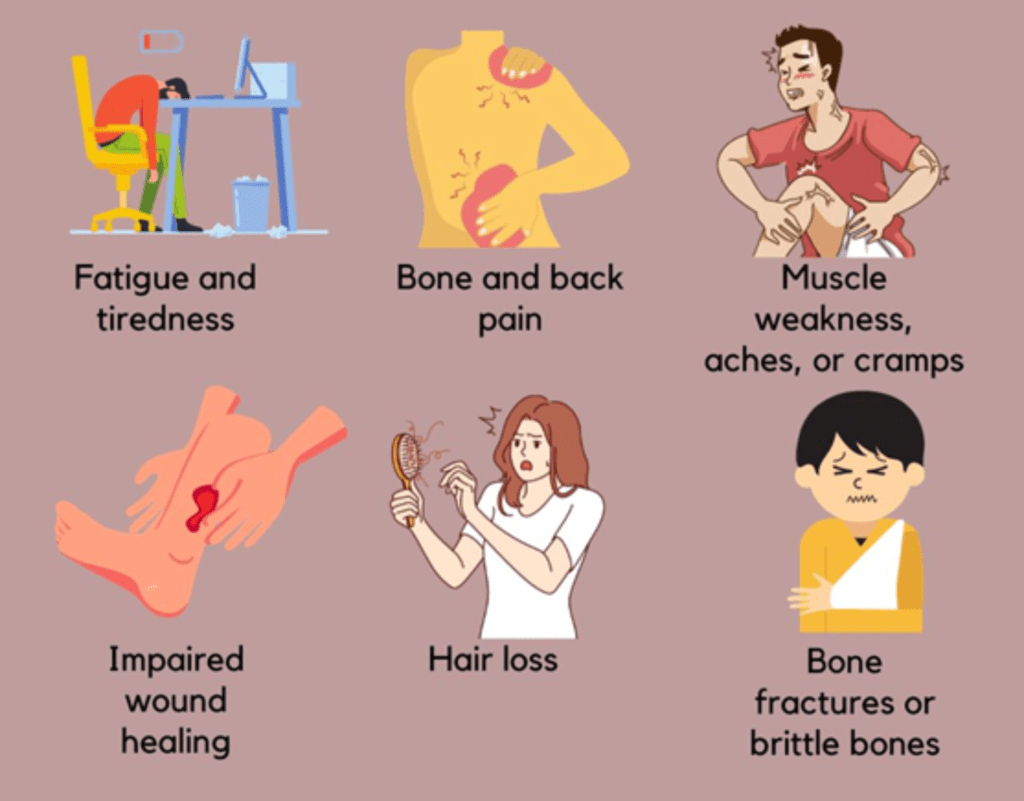
The 50s mark a significant decade in life, often bringing a heightened awareness of health and longevity. Among the many changes our bodies undergo, maintaining strong, dense bones becomes increasingly critical. Bone loss, which naturally accelerates around this age—particularly for women navigating menopause—can lead to conditions like osteoporosis, dramatically increasing the risk of painful and debilitating fractures.
Fortunately, you have powerful allies in this fight: Calcium and Vitamin D3. Understanding their roles and ensuring adequate intake is a fundamental step in protecting your skeletal health
Calcium is the primary building block of your bones. Your body stores about 99% of its calcium in your bones and teeth, using it to maintain their structure and strength. It's not just a passive storage unit, though; your bones are constantly undergoing a process called remodeling, where old bone is removed and new bone is laid down.
As weage, especially after 50, the balance shifts, and bone breakdown can start to outpace formation. If your diet lacks sufficient calcium, your body will draw the mineral it needs for critical functions (like muscle contraction and nerve signaling) directly from your bones, weakening them over time.
For women over 50 and men over 70, the recommended daily intake of calcium increases to 1,200 mg. For men aged 51–70, the recommendation is typically 1,000 mg daily. Prioritizing calcium-rich foods like dairy products (milk, yogurt, cheese), leafy greens (kale, broccoli), and fortified foods is the best way to meet this quota.
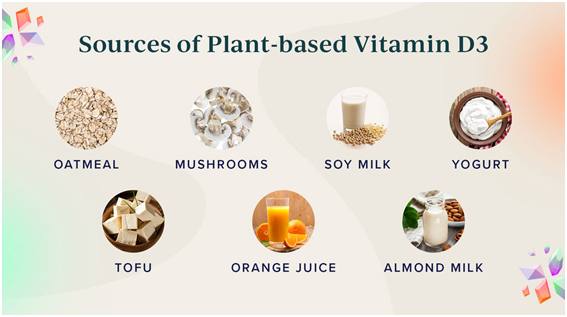
Calcium, however, can't work alone. This is where Vitamin D3 (cholecalciferol) steps in as its essential partner. Vitamin D is vital because it helps your body effectively absorb the calcium you consume in your diet. Without enough Vitamin D, even a calcium-rich diet may not provide your bones with the building material they need.:
Vitamin D also plays a role in muscle strength, which helps prevent falls—a major cause of fractures in older adults.
While your body can synthesize Vitamin D from sunlight, factors like sun exposure, skin tone, and the winter months make it difficult for many people in their 50s and beyond to produce enough. Furthermore, only a few foods naturally contain Vitamin D(like oily fish and egg yolks), though many products are fortified
The recommended daily intake for adults over 50 is generally 800–1,000 International Units (IU). Due to the difficulty of meeting this through food and safe sun exposure alone, many healthcare providers recommend a high-quality Vitamin D3 supplement.
While calcium and Vitamin D3 are foundational, they are just one part of a comprehensive strategy for bone health in your 50s:
Activities that force you to work against gravity, such as brisk walking, jogging, dancing, and strength training, stimulate bone growth and help maintain density.
Limiting alcohol intake and avoiding tobacco use are crucial, as both can interfere with bone metabolism and accelerate loss.
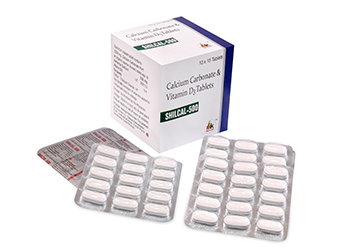
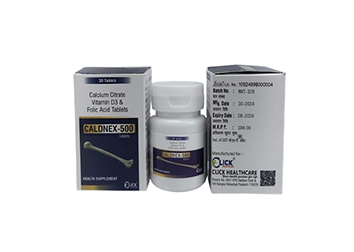
If you have risk factors for osteoporosis, such as a family history or low body weight, discuss getting a Bone Mineral Density (BMD) test. Your doctor can assess your specific needs, check your Vitamin D levels, and advise on appropriate supplementation or treatment. Some composistions are combination to Vitamin D3 and Calcium are as CALDNEX-500, MK-SINE-D3,CALDNEX-K27 and SHILCAl-500. You can take this medicine after doctor consult.
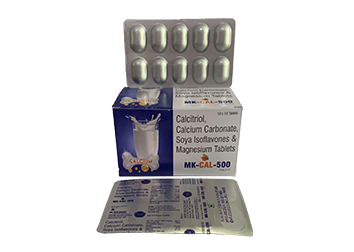

Entering your 50s is an ideal time to take proactive steps to secure your bone health for decades to come. The simple yet powerful combination of adequate Calcium intake and sufficient Vitamin D3 absorption forms the cornerstone of this plan. By embracing a diet rich in these key nutrients, staying active with weight-bearing exercise, and consulting with your healthcare professional, you can significantly reduce your risk of osteoporosis and fracture, allowing you to move confidently and live a robust life well into your later years. Strong bones are the ultimate foundation for healthy aging.
Content in this blog has taken from various offline and online sources and for information purpose only, so please consult your doctor before taking any medicine and its adivse to avoid self medication.

A newcomer to the world of Pharma Manufacturing, focused on mastering GMP standards and contributing to quality through meticulous execution.






Name
DateComment