
The impact of high blood pressure isn't uniform across the globe. For many in East and Southeast Asia, hypertension is more strongly linked to stroke than to ischemic heart disease (IHD), unlike in many Western countries. This makes stroke a more prevalent and devastating consequence of uncontrolled blood pressure in these regions. Another key factor is that Asians often have a higher sensitivity to salt, meaning their blood pressure increases more significantly in response to a high-sodium diet. Since many traditional Asian diets are rich in soy sauce, fermented foods, and other high-salt seasonings, this dietary pattern is a major risk factor.
Furthermore, the relationship between body mass index (BMI) and blood pressure is different in Asian populations. A BMI of 25 kg/m$^2$ in Asians can have a similar impact on hypertension as a BMI of 30 kg/m$^2$ in Westerners. This means that individuals in Asia may develop hypertension at a lower body weight.
Several factors converge to make hypertension a growing problem in Asia:
Addressing the burden of high blood pressure in Asia requires a multi-pronged approach.
While these challenges are significant, they are not insurmountable. The first and most crucial step in combating hypertension is medical awareness. In many parts of Asia, a large portion of the population with high blood pressure is unaware of their condition. Public health campaigns and initiatives, such as the "May Measurement Month" campaign in India, have made tremendous strides in providing free and opportunistic blood pressure screenings. By simply getting a reading, individuals can take the first step toward managing their health.
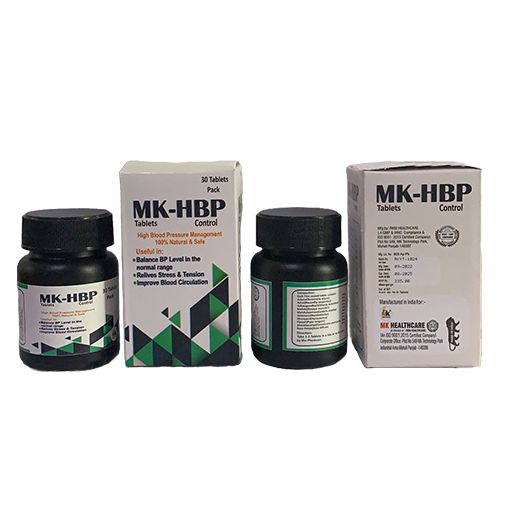
Once diagnosed, the use of medicine has a profound and positive effect. While the fear of lifelong medication is a common concern, medical science has provided effective and affordable solutions. Medications such as calcium channel blockers (CCBs) are widely used and have proven to be highly effective in Asian patients, partly because of their ability to manage salt-sensitive hypertension. Furthermore, the use of single-pill combinations—which merge multiple medications into one pill—is on the rise. This approach not only simplifies treatment but also dramatically improves medication adherence, a key factor in successful blood pressure control. When taken consistently as prescribed, these medicines can significantly lower the risk of devastating events like stroke, heart attack, and kidney disease. MK-HBP brand is use as single-pill combinations.This medicine is 99.9% is natural and safe.
Successful examples from countries like Singapore and South Korea demonstrate the positive impact of increased awareness and improved healthcare infrastructure. These nations have focused on integrating hypertension care into their primary healthcare systems, making medications more accessible and affordable, and empowering patients with the knowledge needed to manage their condition.
The impact of high blood pressure in Asian countries is a multifaceted issue. However, the path to a healthier future is clear. By enhancing medical awareness through accessible screening programs, we can help millions of people discover their condition. By promoting the consistent and proper use of modern medications, we can turn a silent threat into a manageable chronic condition. It is a journey that requires collaboration between healthcare providers, policymakers, and communities, but the positive effect of these efforts on public health and individual well-being is immeasurable.
Content in this blog has taken from various offline and online sources and for information purpose only, so please consult your doctor before taking any medicine and its adivse to avoid self medication.

A newcomer to the world of Pharma Manufacturing, focused on mastering GMP standards and contributing to quality through meticulous execution.





Name
DateComment